


County no-bid, no-hearing sale of naming rights smells bad

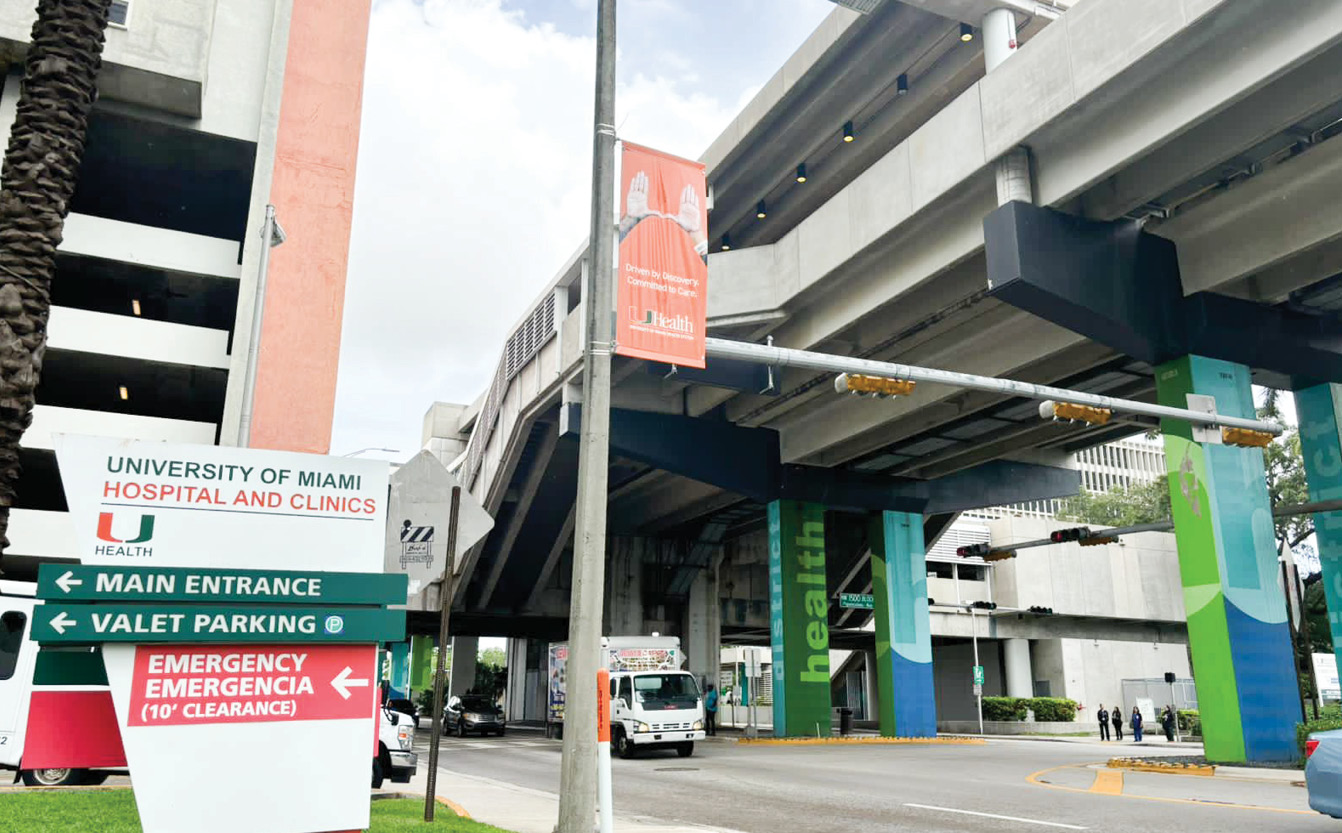
Like most naming rights deals, Miami-Dade’s sale to the University of Miami Health System of a Metrorail station name doesn’t pass the smell test.
The county made the sale this month minus its usual public hearing or open discussion and with no bids.
The $2.9 million deal for 20 years of branding the Civic Center Metrorail Station as UHealth Jackson Station and advertising there might have been the best we could do – or maybe not. We’ll never know, because the county doesn’t know – and it should know.
The buyer, unlike in past naming snafus, is top grade. In the university and its UHealth the county dealt with a quality buyer and will be paid.
But since there was no usual hearing and because nobody else got a chance to bid, we have no idea if the university is paying enough for what it’s buying, if anyone would have paid more, or if anyone objects.
The university, according to documents, simply approached the county last year and made an offer that was never public. The county – perhaps elated because it has wanted to sell transit station names for 16 years – kept the dealings under wraps and didn’t offer others a chance to bid.
If someone out of the blue asked to buy your home, you’d see what other people might pay. The county didn’t give other potential buyers that chance.
This deal is over and done with, whatever its merits or defects and with its lack of transparency in selling off the assets that you and I own – because taxpayers own the assets, not elected officials alone.
But what should the county do next time there’s an asset sale?
Since 2008 the county has been trying to sell naming rights to its buildings and transit stops. The UM sale is the first for a transit stop, but 22 more stations remain unsponsored on Metrorail alone, and the county is adding six more rapid transit corridors whose station names will no doubt be on the market.
The first of those will be along the South Dade Bus Rapid Transit line from Dadeland to Florida City, due to open next year. The 14 stations aren’t yet named, though stanchions to display names are rising. In meetings, officials skirt the naming issue, saying names are yet to be unveiled. Are they now on the market?
Beyond transit stations, coming next will be a raft of buildings in a vast 25-acre MetroCenter makeover of downtown Miami’s west end that will include homes for the main public library, historical museum, new schools, and probably a new county hall. Miami Today is certainly not ahead of government in thoughts about sales of names in that public-private development bonanza.
Such sales have been problematic, and the county seldom finds the pots of gold it’s digging for.
Top of mind is the highly touted sale of brand rights to our basketball arena for $135 million to FTX, which paid the first $20 million before it went bankrupt. Now it’s the Kaseya Center for $117 million for 17 years. That sounds good, except that the county must pay the Miami Heat $136 million over those 17 years to allow the name sale and for operations. That leaves the county $19 million short.
At the other end of the continuum, a consultant told the county it could get $2 million a year for the name of its South Miami-Dade Cultural Arts Center. Instead, in 2022 the county renamed it the Dennis C. Moss Cultural Arts Center, removing the county’s name entirely as it branded the center for the term-limited commissioner from the area.
So overall, we’d rank the UHealth deal about as good as it gets here.
But, it comes with some flaws of the past.
First, naming anything for a living person or organization can end up sullying our reputation. FTX proved that. So did the multiple streets named for living people who were later jailed or disgraced – and they didn’t pay anyone but lobbyists to get those street names. The county never saw a penny.
Second, is the county getting paid enough for its asset? Without an open call for offers we’re just taking whatever we get willy nilly when someone asks.
Third, due diligence seems scarce. We’re not worried about the university, but we’d like the county to know more about all of those seeking to brand our assets. What did we really know about FTX? We check companies selling us office supplies more closely than buyers of our good name.
Fourth and vital, without transparency and time to fully vet a deal, the public has no way to see how our name is being sold off. Every deal seems like a vote must come right now – an operating flaw in the county that extends beyond naming rights.
The deal on the transit station began last year but was unveiled too late for a June public hearing. Why?
Procedures just didn’t pass the smell test. They need a revamp before the next time we deal away assets.



Recent Comments