


Restoring filming on a small budget requires careful focus

The good news for the film industry and economy is that a new Miami-Dade County incentive to lure major productions is returning early payback on our investment. The bad news is that our industry has been decimated and the new incentive alone is no cure-all.
After Florida scrapped its own much larger incentives while 44 other states were revving up their own, we lost business on a massive scale and seasoned industry professionals who had made their living here fled to states where the work was. Vital human infrastructure is hard to replace.
Besides the hundreds of millions in direct economic impact from filming plus the images of Miami that were a positive backdrop for tourism, real estate, and general business, we fell off the global film industry’s list as a location of choice. Getting them back won’t be as easy as switching on a television, and certainly not as fast. We must act strategically.
We can come back, but we went from being a filming leader to an also-ran, ahead of, say, North Dakota but light years behind most southern states and even Canada. Rebuilding is harder than staying ahead.
The new county incentives that began in April offer $10 million annually in cash rebates of up to 20% on feature films and made-for-TV movies or series with budgets above $5 million – what the county calls a High Impact Film Fund Program. As we reported last week, the first two approved applicants have finished shooting and their work is soon to appear, with more projects in the pipeline. That’s wonderful.
On the other hand, if you’re planning a major production don’t bother to apply now. Applications were only accepted for the six months ended Sept. 30 and will open again next year. Most businesses don’t wait up to six months to find out if they’ll even be considered for funding. Your bank won’t tell you to come back in six months to apply for a loan. This program is at government pace, not business pace.
Business is also not geared to operate on a first-come, first-served basis, which film incentives from both the state and the county were in the past.
When Florida created a film incentive fund of $242 million in tax credits to cover five years starting in 2010, it committed $227 million of the credits by March 2011 to the first projects in line. That left almost four years where the cupboard was bare.
Few entertainment projects plan four years ahead, and even fewer are going to wait four years to apply for incentives that they might not get. They found other states and nations to film in.
A first-come, first-funded policy may be comfortable for government because it doesn’t have to say no to less-impactful productions to wait for better economic impact for the buck. There is no favoritism, which is good. Unfortunately, that policy is about as effective as investing in stocks in alphabetical order or hiring based on the first resume to arrive rather than the best one.
The legislature tried for years to kill off film incentives because it was subsidizing businesses to come here. After all, legislators said, everyone wants to come to Florida so film projects will just show up without a penny of aid. So in 2018 they shut down state incentives, following up last year by also shuttering the state Office of Film and Entertainment. No welcome mat here. Just show up if you must.
Meanwhile, 44 other states and most nations had added film incentives. No matter how nice coming to Miami is in mid-winter, Georgia or South Carolina or wherever isn’t so bad if someone is paying you to come while Florida is closing its doors to you.
Georgia created incentives in 2005, and by 2016-17, when Florida incentives had become a trickle, Georgia was already eating our lunch. In that period 116 films and 150 TV series were shot in Georgia compared to 14 films and 16 series in Florida, Florida TaxWatch said.
So, what was the prior economic impact of filming here, what is it today, and how much did we lose?
Unfortunately, gauging filming’s impact is like assessing the impact of hosting the Superbowl. When the industry tells you, you’re safest to move the decimal point one column to the left, because hyperbole abounds. We know that we’ve lost hundreds of millions in Miami-Dade, but a total will depend on who’s paying to compute it.
Miami Today uses its own economic gauge of film industry loss. For 40 years we’ve printed each week a list of all film permits in the county that we compile from government film offices. These range from major movies or series to commercials and still shots – a broad industry gauge.
Two decades ago we printed in small type more than a column of filming permits weekly. By 2018, after state incentives were shut off (the county and cities hadn’t yet begun their own small incentive efforts) the weekly total was just a third of that. Today, the total is about a sixth as much as 15 years ago. Ubiquitous video cameras are gone.
That’s why in 2018 the county created film incentives for small local productions. It’s why Miami Beach and others added their own small incentives. It’s why the county last year added the program for major productions. They all help, and all are welcome.
“This is a step in the right direction,” Bruce Orosz, CEO of ACT Productions, said last week in hailing the new major film incentives.
“We believe that we’re on the right track,” said Marco Giron, the county’s chief of film and entertainment.
That’s praise for a start, but only a start, on what must be a larger program focused on economic impact. Our economic development organization, the Beacon Council, targets key industries and organizations to lure here. Government officials need to do the same.
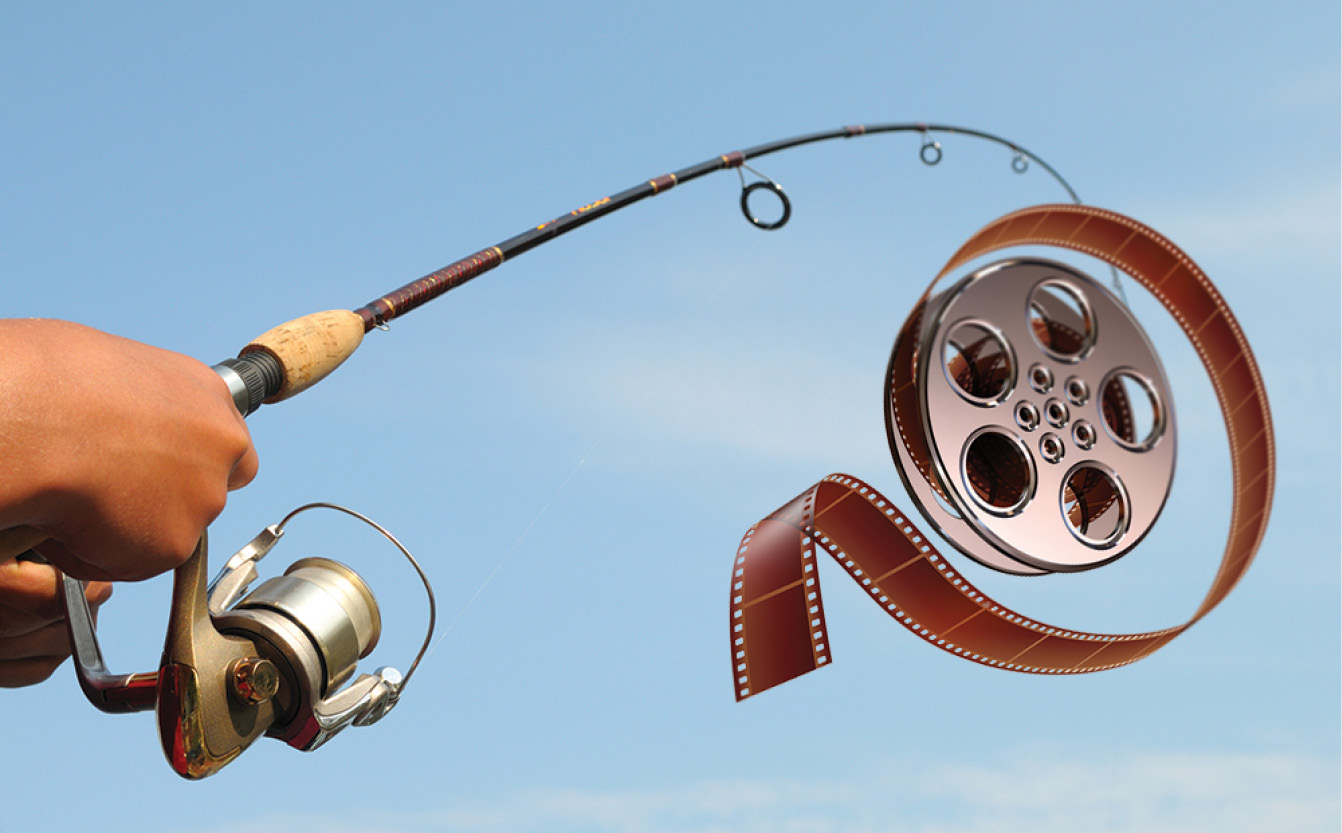
All projects, no matter the size, are not created equal. We need to fish strategically to reel in the big catches that count most, not just the ones that apply first.
We face years of catching up. Miami Vice was a great catch decades ago because it stimulated industries far beyond entertainment. That might not be the image we want to fish for today, but back then it fit our needs well.
Beyond incentives, we need to welcome the industry with open arms. When Miami got the Burn Notice series – then our biggest project – to film for years in the Coconut Grove Convention Center, the city kept trying to force the show out in order to tear the building down. Quick: can you think of what replaced either the series or the building?
Clearly Florida is missing the film industry fishing boat by shutting off all incentives. Current state officials are as likely to labor to bring the industry back as they are to incentivize LGBTQ tourism. Miami-Dade welcomes both but needs a finetuned, well-publicized strategy to use limited resources strategically, knowing that whatever we catch will repay us many times over.
First-come, first funded is very fair – but economically very inefficient.



Recent Comments