


Civica RX partnership helps Baptist get needed medicines
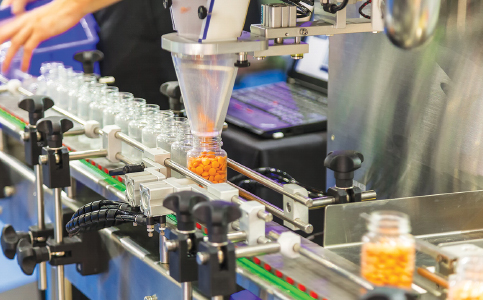
Baptist Health South Florida’s partnership with not-for-profit company Civica RX has helped the hospital have continued access to needed drugs in spite of national shortages and spiked prices.
Lehi, Utah-headquartered Civica RX, which was established in September 2018 by 11 health systems and hospitals across the US including Baptist Health to provide generic drugs needed in intensive care units and operating rooms, helped the Baptist Health system during national shortages of medicines.
According to medical journal NEJM Catalyst, Civica is able to stabilize the price of drugs and guarantee hospital access to them by bypassing the major drug makers and manufacturing or subcontracting for generic pharmaceuticals hospitals need.
Civica is operating ahead of schedule, said Madeline Camejo, vice president and chief pharmacy officer at Baptist Hospital of South Florida. Civica had projected to have around 41 drugs manufactured at the beginning of the year and 100 by 2023. Baptist Health is currently purchasing around 50 drugs from Civica.
“Because of our partnership, we had access to all the drugs we needed to help us navigate through the difficulties we had to deal with, without having to deal so much with drug shortages,” said Ms. Camejo – “to really focus on what we needed to do for our patients.”
Civica was established as a nonstock, nonprofit “social welfare” organization with a $100 million grant from non-profit healthcare system Intermountain.
“Every healthcare system and hospital that joins the Civica partnership makes a one-time financial contribution to the company based on the level of membership the entity chooses,” said CEO Martin VanTrieste.
To become a member of the board of directors, entities would provide a one-time payment of $10 million to the company; become a founding member, the contribution would be $5 million; and for a general partnering member, the entity would pay $300 per licensed hospital bed with a cap of $1 million, Mr. VanTrieste said in 2019.
All of Civica’s funding comes from the hospitals and philanthropic organizations, and not investors and shareholders like the majority of pharmaceutical companies. “The aim is to combine the efficiency of a pro-competitive private enterprise with the equitable mission of a pro-social welfare organization,” the NEJM Catalyst reported.
“Healthcare systems,” said Ms. Camejo, “oftentimes had to change drugs so they could continue to treat patients. We didn’t have to do that at Baptist.”
With over 200 drugs currently on the US Food and Drug Administration’s shortage list, Baptist’s hospitals were not hit as badly in the ICU, she said, because of the partnership with Civica, which is producing drugs such as ketamine and lidocaine and antibiotics like vancomycin, which the company initially started with. “Everything they have we have been purchasing.”
Civica RX seeks to create a market stability in the wake of drug shortages by guaranteeing hospitals the volume of drugs they need to care for patients, “guarantying predictable long-term supply while working with FDA-approved manufacturers with high-quality track records,” according to Civicrx.org.
Baptist Health system’s use of what Civica manufactures is 5% to 6%, said Ms. Camejo. “When drugs go on shortage, everybody raises their price. Since we had this partnership with Civica we didn’t have to worry about allocation, and we didn’t have to worry about prices going up, because their prices have been fixed with our contract.”
When healthcare systems suffer drug shortages, she said, there are constant changes in order sets and protocols because certain drugs aren’t available, and hospitals must substitute them for others. “At the end of the day, it’s a drug safety issue as well, and having this [partnership] really gives us one less thing to worry about when you’re dealing with uncertainties.”
“The general market price in shortages is hard to predict, but they do go higher when you don’t have a steady stream [of drugs],” she added. “And they usually increase anywhere between 20% to 50% when things go on shortage. The peace of mind that this partnership brings is the access to drugs, and that for us was a great thing when we had the pandemic, because of so many drug shortages that we didn’t have to worry about.”
In June, Civica RX announced it will be producing essential generic medicines through out-patient care and pharmacies. CivicaScript, the operating name, has partnered with some of the nation’s largest health insurers, such as the Blue Cross Blue Shield Association and 17 independent companies, according to a press release by Civica, to initially develop up to 10 common “but highly priced generic medicines for which there is currently not enough market competition to drive down price.” This way, “CivicaScript also plans to innovate and further transform the supply chain to lower the cost of prescription medicines.”
“Having Civica being able to manufacture here in the US and partnering with them,” said Ms. Camejo, “I think it’s going to be better for us in the future.”


Recent Comments